
Biological traces: preserving an object before examination
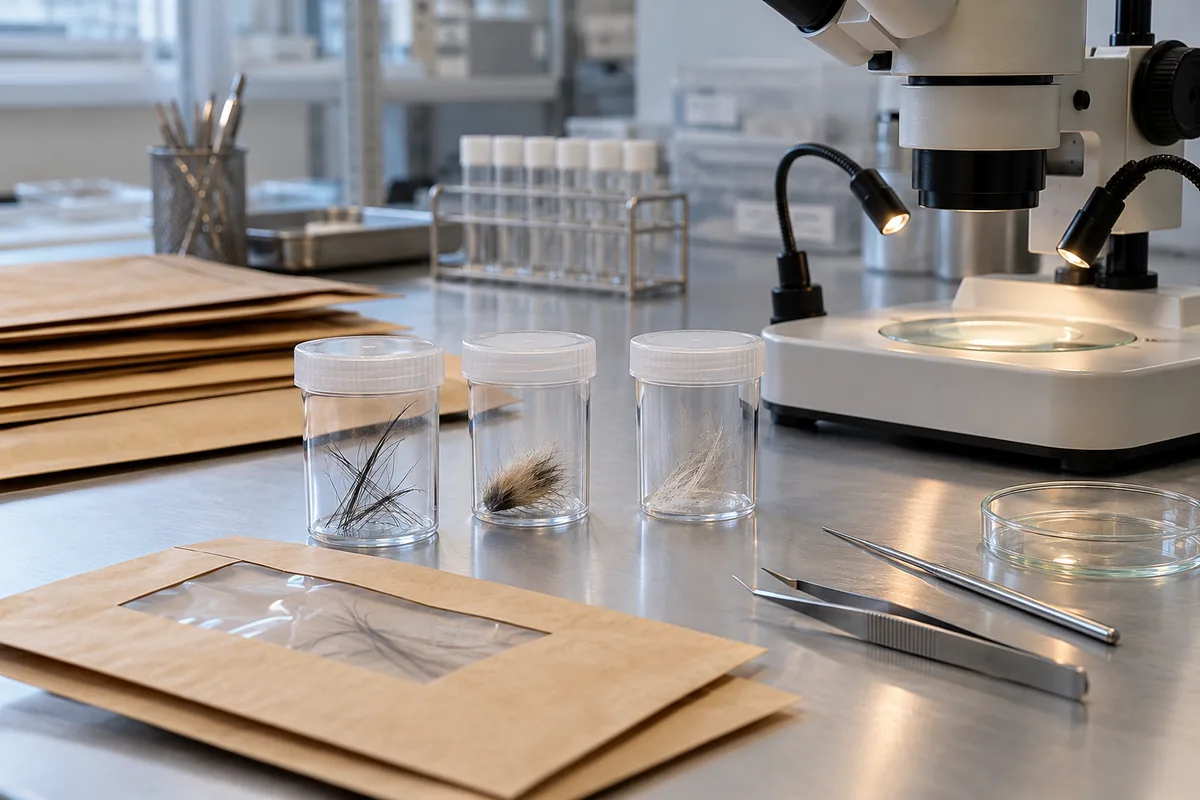
Traces of biological origin are sensitive to storage conditions and handling of the object. Before a procedure has been agreed with a specialist, preserving the original condition and transfer history is more important than trying to isolate the material or determine its type yourself.
Do not alter the object for convenience
Do not wash the item, clean it with a solvent or treat it with household chemicals to «reveal» the trace. Do not combine materials from different items. Such actions may alter features, introduce foreign material or make it impossible to explain the results separately.
If the object's condition may change rapidly, contact the receiving specialist before packaging it. Universal advice to «always freeze» or «always seal airtight» is inappropriate: requirements depend on the object, the intended analysis and the method of transport. Do not sample potentially hazardous materials yourself.
What information to record
- Where and under what circumstances the item was discovered.
- When it was removed from its original environment and who handled it.
- Whether there was contact with water, heating, cleaning, treatment or movement.
- Which parts of the object relate to different places of discovery.
- How it was stored and how it was transferred between people.
Packaging and identification
Packaging procedures are agreed with the laboratory or expert. Prevent unnoticed mixing of separate objects; link the label on the packaging to the inventory and photograph. A number on a bag does not, by itself, confirm the provenance of its contents: a traceable sequence of actions is needed.
Photograph the overall appearance of the item and the position of the discovered material if it is safe and does not require altering the trace. A photograph helps provide orientation, but does not replace the physical object or establish the biological nature of a deposit, hair or fibre.
What exactly needs to be established
Species classification, the nature of the material and individual identification involve different tasks and possibilities. A hair that looks like an animal hair does not necessarily contain enough information for every finding the client may want. The transfer of samples for comparative examination and the necessary grounds are discussed separately.
How to read a result with limitations
The opinion should make clear what was received for examination, which methods were used and which portion of the material the answer concerns. If the object was altered or its provenance was incompletely documented, that limitation must be retained in subsequent interpretation. A laboratory result does not, by itself, establish all the circumstances in which a trace appeared.
For an initial discussion, it is usually sufficient to describe the task and provide an inventory of available objects without sending excessive personal information. Whether the examination is possible is decided after assessing the material's condition and the practitioner's competence.